Trending



Enter your email address below and subscribe to our newsletter

A Symphony of Memory and Change

“Kisher Sobde Ghum Bhenge Gelo Jei-
Dekhi, Kalikata Achey Kalikata-tei“
-Rabindranath Tagore
Lying by the gushing Ganges, Calcutta stands as a distinct epitome of cultural life. A unique blend of history and heritage, the city harbors a plethora of tiny tales which by comparison, are no way less than bed-time digests. It served as the British capital for over a century, thus leaving an abiding mark, our current piece would churn on such an aspect.
The Battle of Plassey marks a significant episode in the history of Bengal. Altering the sociological fabric particularly in Calcutta, one can witness a reshuffling of order. The spotlight shifted from Murshidabad. With the Company at the helm, the new city bludgeoned by a number of entrants. As argued by scholars, Gokul Chandra Mitra was one of the earliest settlers of Calcutta. Born to Sitaram Mitra in 1728 at Baligram, Howrah, Gokul grew up as matured prodigy. However, they could not remain there for long. Owing to the recurrent Bargi attack in countryside regions, the Mitras abandoned the place to luck. A relatively safer option, the father-son duo soon reached Calcutta.
Since childhood, Gokul Mitra was known for his wit. A man of ambition, he strategically used the time to mend his path. During the formative days of the Company, the system needed a lot of men. Especially in case of 24 Parganas they invited the locals to extract salt against a commission. Gokul got engaged in it. In no time he excelled as a salt trader and established a godown initially in his house and later to Nimtala Ghat street. He was also engaged in jute export and logistics. An extensive business, they supplied regular food to the horses, elephants and camels used by the Company.
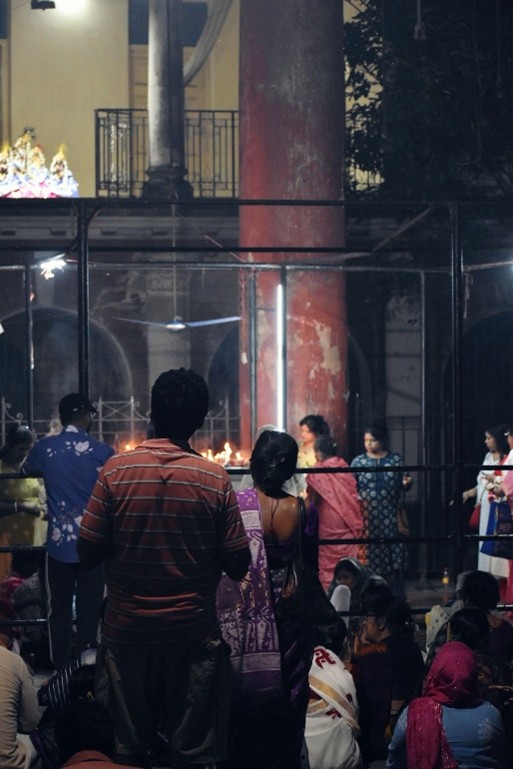
Mitra grew to be a mighty tycoon of his time. Along with other city magnates like Gobindaram Mitra, Banamali Sarkar and Umi Chand; they helped the English East India Company in its defence against Siraj in 1756. The men cut down trees and literally erected a temporary barricade along the Chitpur Road (now Rabindra Sarani) to restrict the Nawab.
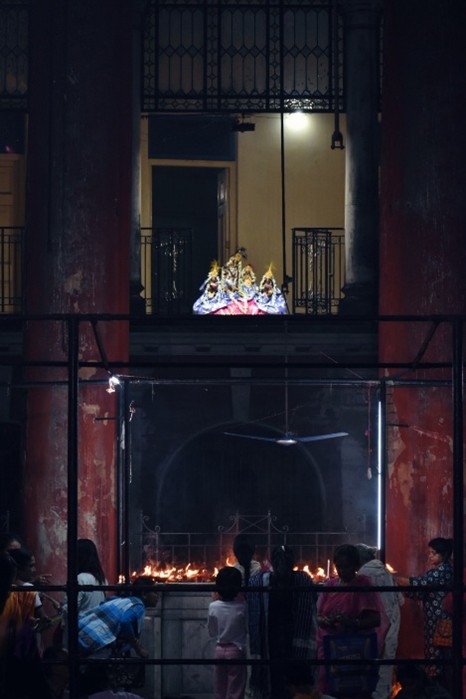
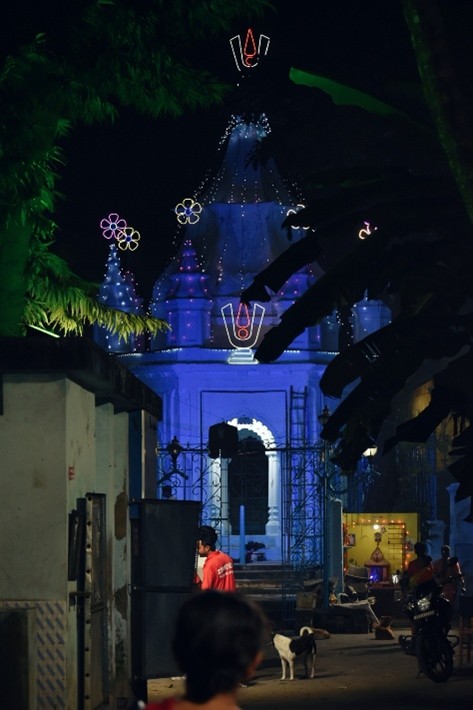
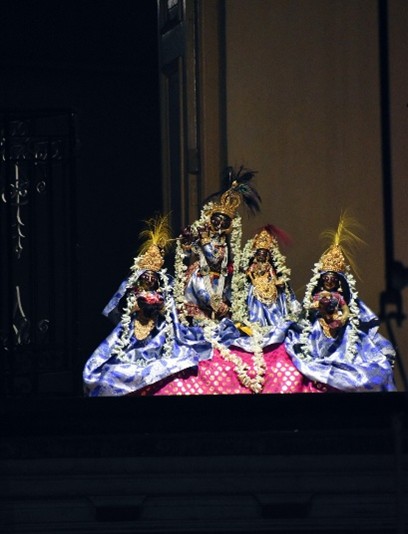
In 1761, Gokul Mitra built his famous Madan Mohan Temple. Being an iconic hotspot of the city, there is an interesting story to it. The deity housed in the sanctum is rooted to the Malla kings of Bishnupur. During the time of Raja Chaitanya Singh, a family strife surfaced. Provoked to get the throne, his own cousin Damodar Singh conspired to get him down. Chaitanya fled to Calcutta and sought justice to the newly emerged Company. The Brits suggested him to file a case. However, taking such a step required money. An already drained treasury, it seemed impossible for Chaitanya to arrange a whooping sum of 1.3 lakhs. In this fractured scene, Babu Gokul Chandra Mitra came to rescue. In lieu of mortgage of their Kula devata, Mitra gave him a loan. According to a few sources, he never returned the original idol. In spite of the matter being dragged to court, it is still the replica that resides in Bishnupur.
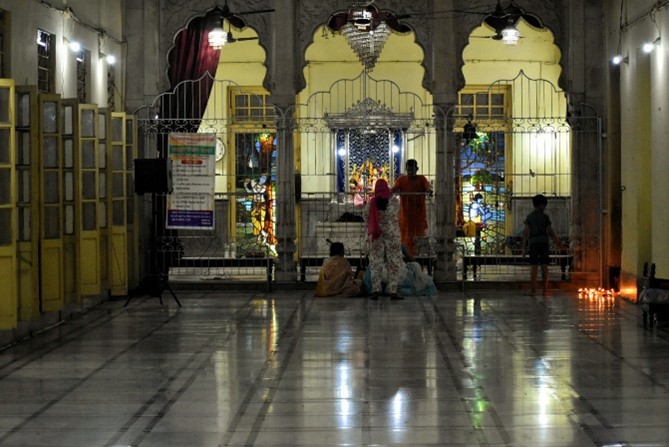
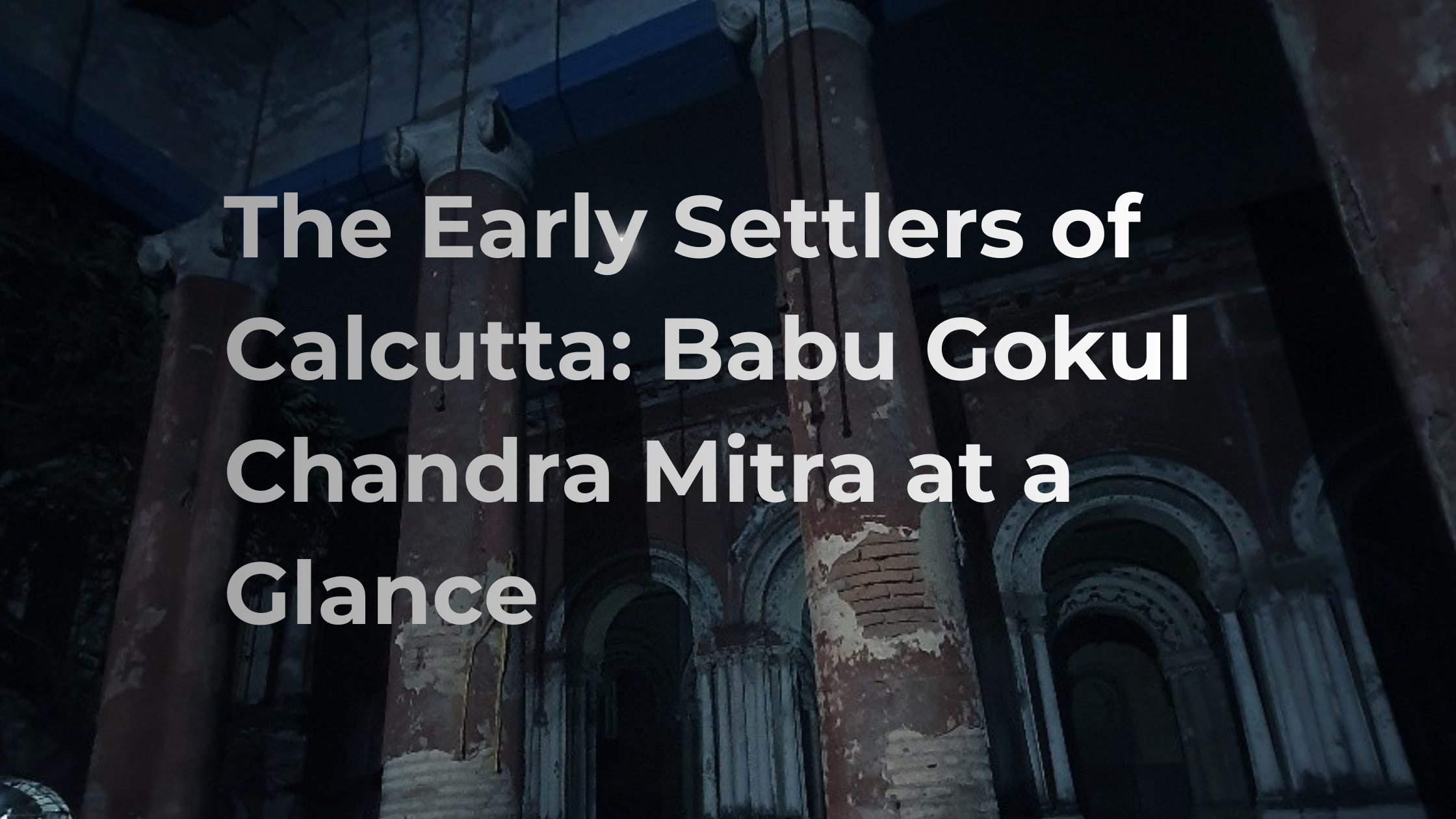
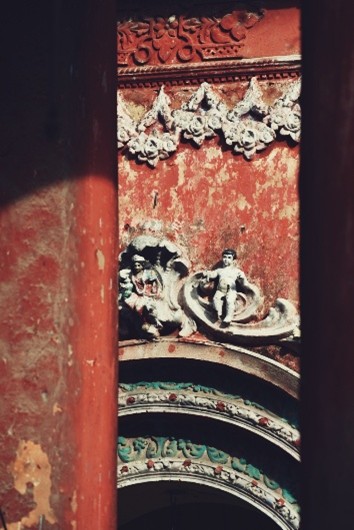
Mitra believed his fortune as a blessing of Lord Madan Mohan. In 1784, he won the entire Chandni Chowk property in a lottery. Well curated with gigantic Doric columns, marble stairways, rooms and a Nahabat– the grand Thakur Dalan stands as a glaring instance of the time. One may hint of a European fusion to it. Adjacent to the temple is the house of Gokul Mitra. Currently in a fragile state, it once had a perimeter as many as 56 bighas. A walk-away from the complex has an exquisite Raas Mancha of the God. Functional to this day even, Vaishnavite occasions of Raas, Janmashtami, Jhulan, Dol Yatra or Annakuta draw large heads of devotees from local and remote pockets of Bengal. This reflects the culture- the very continuity that has kept alive the space.
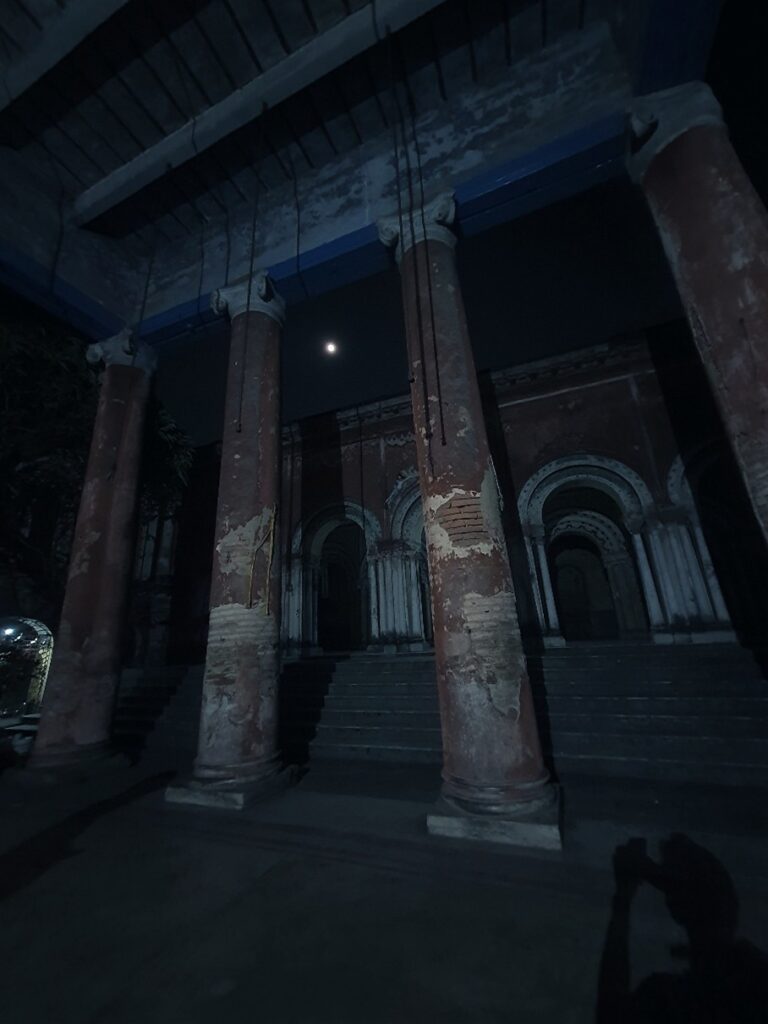
In 1808, the landlord breathed his last. His successors were no match for his dynamism. However, they carried his legacy. A product of 18th century temperament and aesthetics- the 520, Rabindra Sarani stands quietly today as a classic specimen of the city’s once glorious Bonediana.
Chayan Dutta is a part time poet and a full-time observer. He has completed his Post Grad from Calcutta University in History. Presently a Visiting Faculty, Chayan takes interest in life, lens and hazy July rains.