Trending

Current Read




Enter your email address below and subscribe to our newsletter

A Symphony of Memory and Change

“Ishrat-e qatra hai dariya mein fanaa ho jaana,
Dard ka had se guzarna hai dawa ho jaana.”
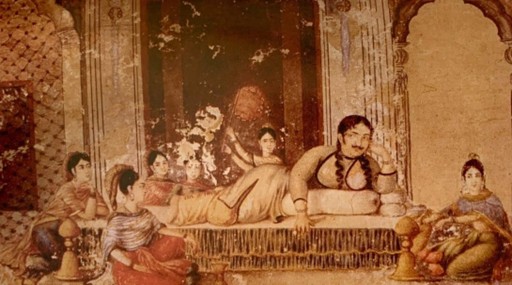
Ghazals like this by Mirza Ghalib were once common in the streets of Calcutta. On a rainy July night when the roads drenched, amidst the gusty winds, hazy dims and tingling chandeliers, the city clandestinely nurtured a royal grandeur of the time. Metiaburz, a rich locality in Calcutta, is known for its conspicuous blend of tradition, history and culture. Situated along the eastern side of river Hooghly, the area assumed prominence under Nawab Wajid Ali Shah during the mid-19th century. The last Nawab of Awadh was exiled to this region by the British. Following his arrival in 1856, this marked the beginning of a transmuting era for Metiaburz. Juxtaposing Lucknawi aadaab to Bengali frame, our current writing would explore the varied interconnectedness and richness of the land.
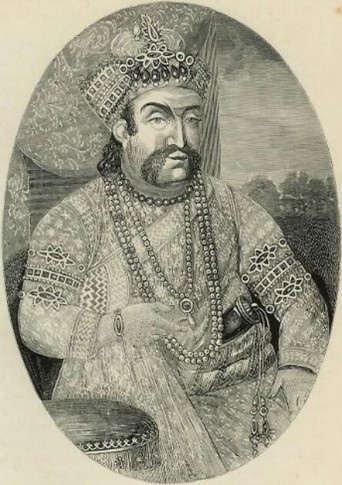
We shall begin with nomenclature. Regarding origin, there are distinct opinions by different group of scholars. According to a section, the name ‘Metiaburz’ came from two words – ‘matiya’ and ‘buruj’or ‘burz’. Literally meaning ‘earthen tower’ this refers to a mud bastion that once stood high in the region. However, this has been contradicted. As per researcher Asit Das, the term originated from ‘Meetha-Buruj’ or fields where betel leaves grew in bounty. Before arrival of the Nawab, the region was sparsely populated. Registering only minimal of the footfall, the royal influx promptly changed the scape.
The 19th century comprises of a significant phase in the history of the subcontinent. From a merchant in veil, the joint stock English East India Company grew to be the toughest contender in the land. The Brits went fast. With their strategic policies of Buffer state, Subsidiary Alliance or the Doctrine of Lapse, they engulfed one state after the other. Deluging Satara, Jhansi, Nagpur to Sambalpur borders this goes true in case of Awadh as well. Since the time of Nawab Sadat Ali Khan – II, Awadh has been a trusted ally of the Company. Every time they supported them in need. However, despite continued monetary or logistical support, the British debased their kingdom on false charges of mismanagement. Power was pilfered. The position was dethroned. Sensing a probable build-up of mutiny, the Company immediately deported the then Nawab to Bengal.
Upon his arrival in Metiabruz on 13th of May 1856, Wajid Ali Shah endeavoured to revive the splendour of Lucknow. He tried to recreate the cultural charm of his roots. From majestic imarat, shahi khana, ghazal mehfil, qwaali to aadaab, tehsib all these bore an impact. The Nawab was a man of art. Constructing as many as 18 palatial building and residencies- this lined the fringes until Garden Reach. One shall mention of ‘Gushista Lucknow’ in this regard. Written by Abdul Halim Sharar the book projects the growing Lucknow microcosm.
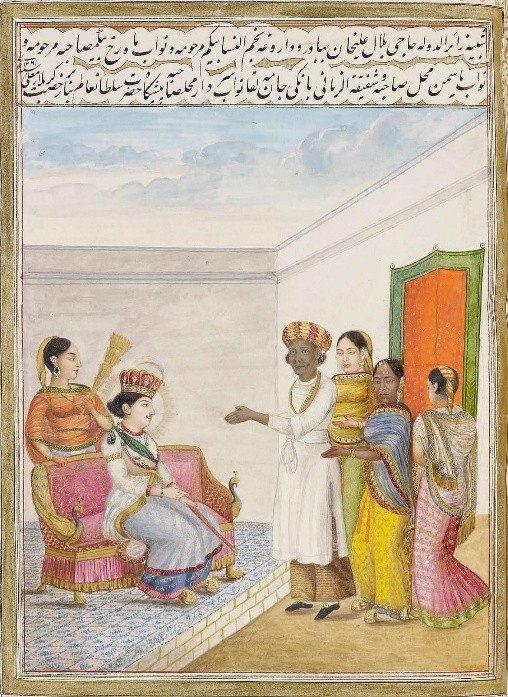
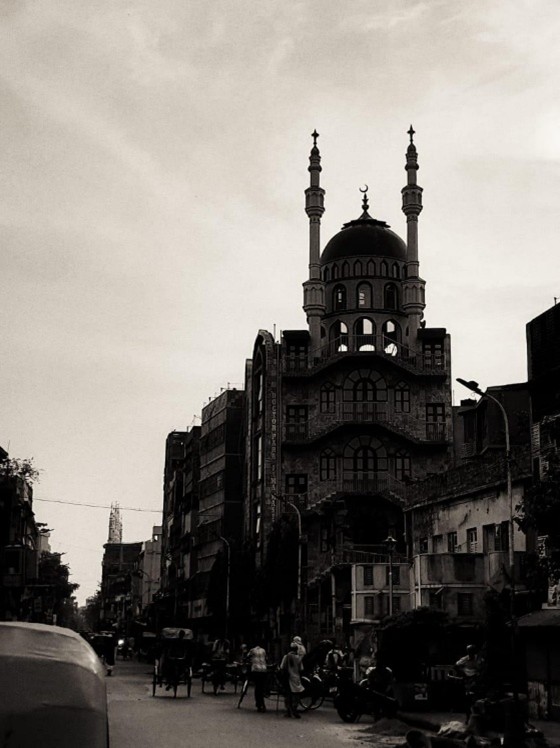
Each building had a distinct name at the time -Sultan-khana, Shahenshah Manzil, Asad Manzil, Asmani, Khas Mahal, Parikhana. Serving diverse purpose it was well decked with aesthetics. The Sibtainabad Imambara was built in 1864. Modelled after the Bara Imambara of Lucknow, it served as a centre for Shia religious activities. Another Shahi Masjid, highlights the rich confluence of Mughal and Awadhi styles of architecture.
Under Wajid Ali, Metiabruz flourished as a hub of art and culture. The royal court was adorned with numerous artists, intellectuals, men of letters, musicians and dancers. Himself a propounder of thumri, the Nawab played a key role in the development of Khattak dance in India. He also penned a lot. As argued by scholars, his writings reflect the plight of time. The journey from Gomti to Ganges was never easy. Memories in exile – the issue of despair yet Under Wajid Ali, Metiabruz flourished as a hub of art and culture. The royal court was adorned with numerous artists, intellectuals, men of letters, musicians and dancers. Himself a propounder of thumri, the Nawab played a key role in the development of Khattak dance in India. He also penned a lot. As argued by scholars, his writings reflect the plight of time. The journey from Gomti to Ganges was never easy. Memories in exile – the issue of despair yet hope has been a constant theme of it. A large band of men and women followed him to Calcutta. One such among them was Mirza Asadullah Beg Khan. Popularly known as Mirza Ghalib, his iconic couplets mesmerized the city walls, edifice and the whispering legends.
Wajid Ali also influenced the gastronomic fabric of the locality. Bringing some of his best khansamas (cooks) and royal bawarchis (master chefs), he introduced the rich culinary traditions of Lucknow in the city. The splendid kitchens were in constant experiment. From Biriyani, Nihari, Kebab, Korma, Tikka, Chaap, Shab Deg, Sheeermal and Pulao, the list goes long. The Nawab is credited for infusing potato in Biriyani. A delicacy since then, it well complimented the rice and meat. A variety of pulao graced the Nawabi Dastarkhans, such as – the Gulzaar, Noor, Chamkeli, Moti, Naoratan and Anardana. The Anadarana Pulao had transparent glass like grains (in red and white).
Coming to living, the nobility passed the days in abundance. Other than recreation, they often spend their idles in kite-flying (Patangbaazi), training pigeons (Kabutarbaazi), cock fights (Murgibaazi) and opium (Afim Khori). As recorded in ‘Gushista’, the Nawab possessed more than thirty thousand pigeons, along with 300 Ustaad Kabutarbaazs to look after them. They trained, treated and nurtured the birds. Having diverse tinge, it seemed like bright petals swinging by the wind.
The Nawab also established a zoo in the area. First of its kind in the entire Eastern India, it housed a variety of exotic animals and birds including tiger, rhinoceros and deer. The initiative reflects his passion. Exchanging letters with even Darwin, this spotlighted Metiaburz with a global fame.
The Nawab also established a zoo in the area. First of its kind in the entire Eastern India, it housed a variety of exotic animals and birds including tiger, rhinoceros and deer. The initiative reflects his passion. Exchanging letters with even Darwin, this spotlighted Metiaburz with a global fame.
In the early 20th century, Metiabruz became a major industrial hub. With shipbuilding yards and factories like – Hindustan Lever, Sreeram Jute Mill and Kesoram Cotton Mills, it provided an employment to thousands. However, down dip in the 80s gave a label of ‘crime ghetto’ to the region.
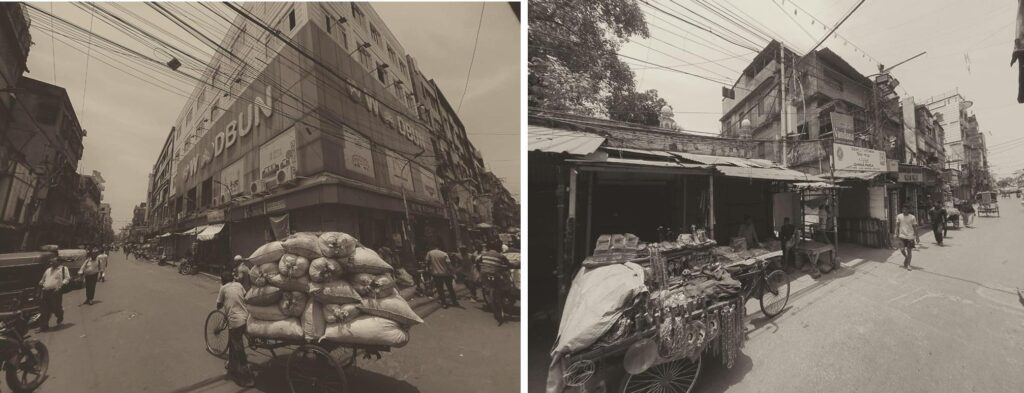
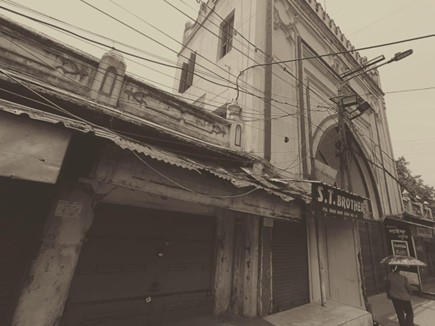
Presently, the place is known for its ready-made garment industry. Approximately 15,000 units run in full. A global wholesale zone in West Bengal, these Darzi-mohallas or tailor dwells substantially contribute to the development of economy. The people here are well aware of their past. They are inspired by the enthusiastic and eclectic visions of their beloved Nawabzada. A collective effort to fight the tag, Metiabruz thus holds a proud testimony to years of transformation, transpose and multifaceted amalgamation of the cultures.

Chayan Dutta is a part time poet and a full-time observer. He has completed his Post Grad from Calcutta University in History. A North Calcutta guy, Chayan takes interest in life, lens, heritage and hazy July rains.